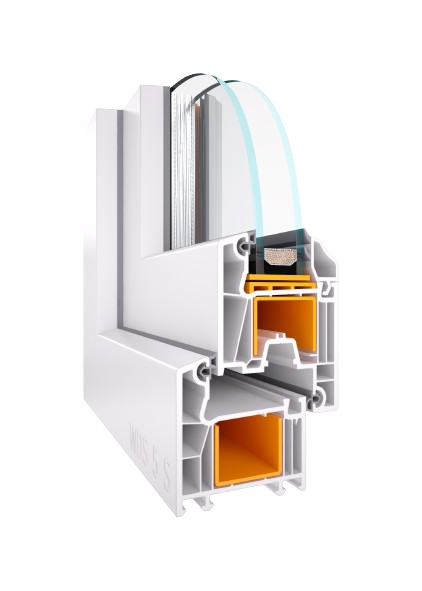
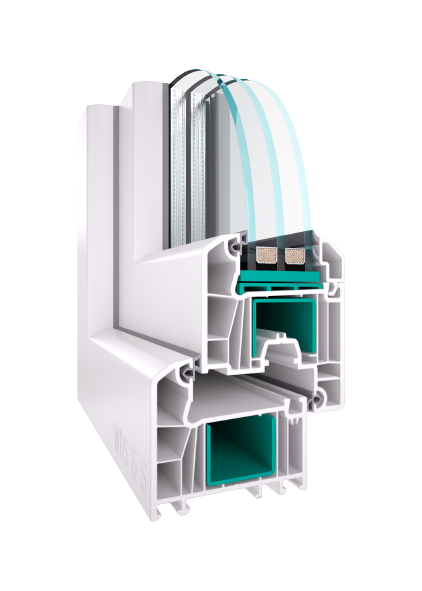
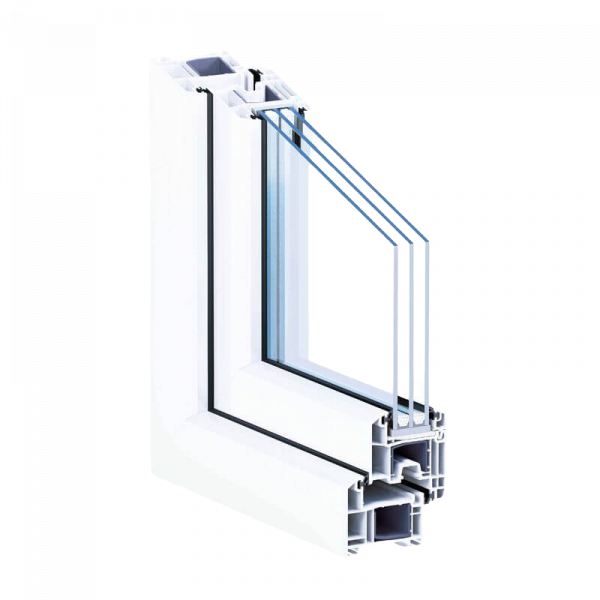
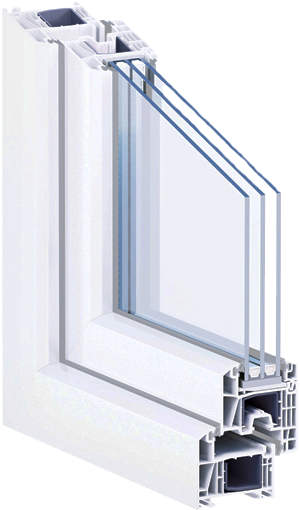
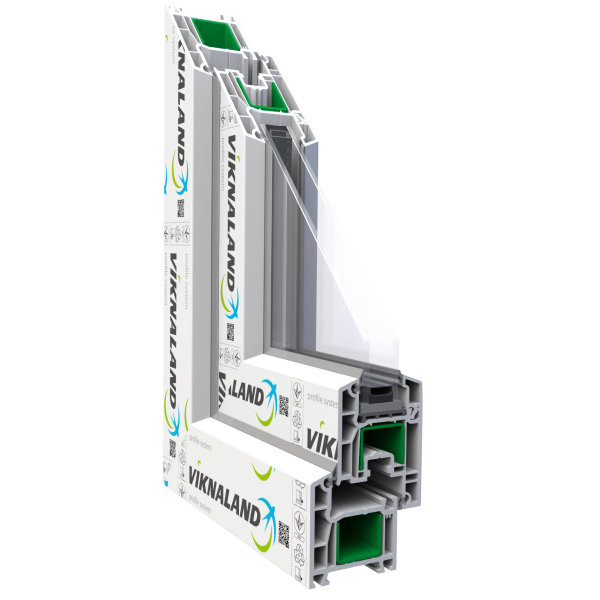
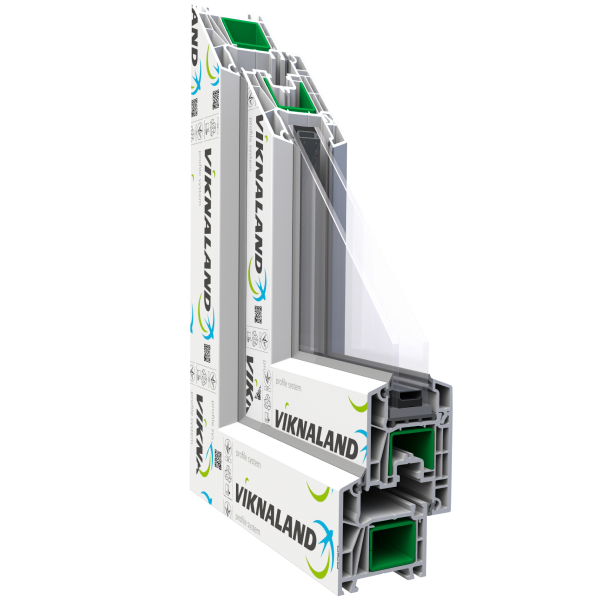
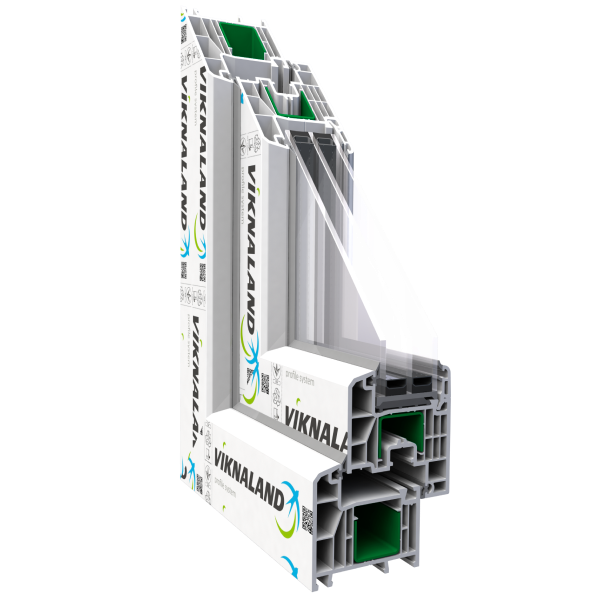
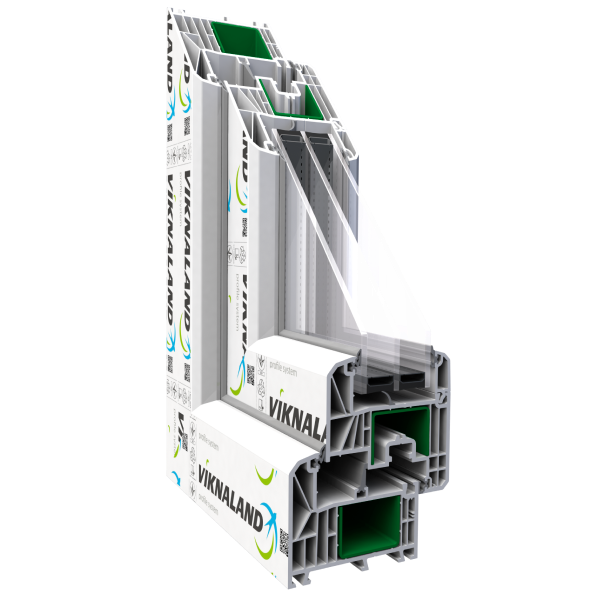
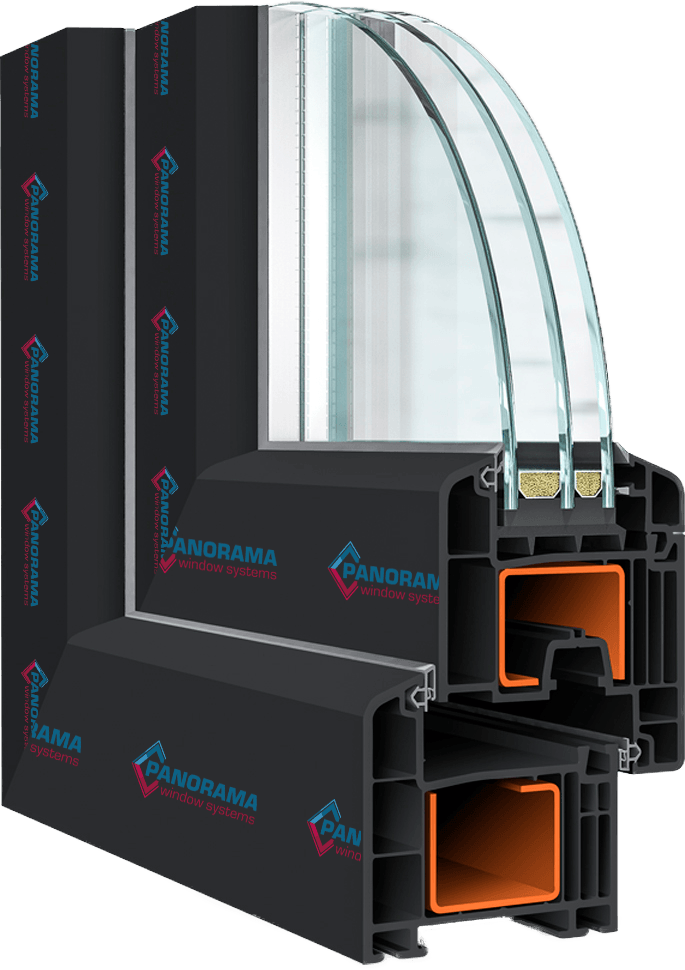
In today’s world, windows are a sophisticated engineering construction, which must meet high standards and play a crucial role in ensuring comfort and design in both residential and industrial spaces.
Architects need windows that enhance a building’s appearance, let in ample natural light, and comply with construction standards. Thermal engineers value good thermal insulation, tight-fitting sashes, and ease of ventilation. Residents want affordable, energy-efficient windows that are easy to clean, offer soundproofing, and provide security.
Windows are essential to creating comfort indoors and saving on heating costs. Therefore, their form relates closely to the functional use of the room and the desired opening mechanism.
Modern technology allows the creation of windows in various shapes, including reproductions of historical styles that maintain the appearance of architecturally significant facades. Windows today can be adorned with cladding or decorative profiles in a range of colors and designs.
Modern materials like PVC make it possible to create almost any window shape. However, the more complex the design, the more costly its production, due to added technological complexities.
Advantages of PVC Windows:
– Durability: Long-lasting material performance.
– Weather Resistance: PVC doesn’t warp in sunlight, resists moisture, acid rain, and frost.
– Airtightness: Ensures no unwanted drafts.
– Eco-Friendly: Special additives in PVC frames eliminate the release of toxic substances.
– Non-Flammability: PVC does not support combustion.
– No Additional Treatment Needed: Maintains original color throughout its lifespan.
– High Thermal and Acoustic Insulation: Ensures efficient heat retention and noise reduction.
– Easy Disposal: Waste from production is easily managed.
– Precision Fit: High manufacturability ensures the accurate assembly of parts.






.png)
.png)
.png)
.png)
.png)
.png)
.png)
.png)
.png)
.png)
.png)